Weekend Activities at Home: 3 Screen-Free Saturday Plans
Stop spending Saturday deciding what to do. Pick one ready-made screen-free plan based on your energy and give the weekend a proper shape.
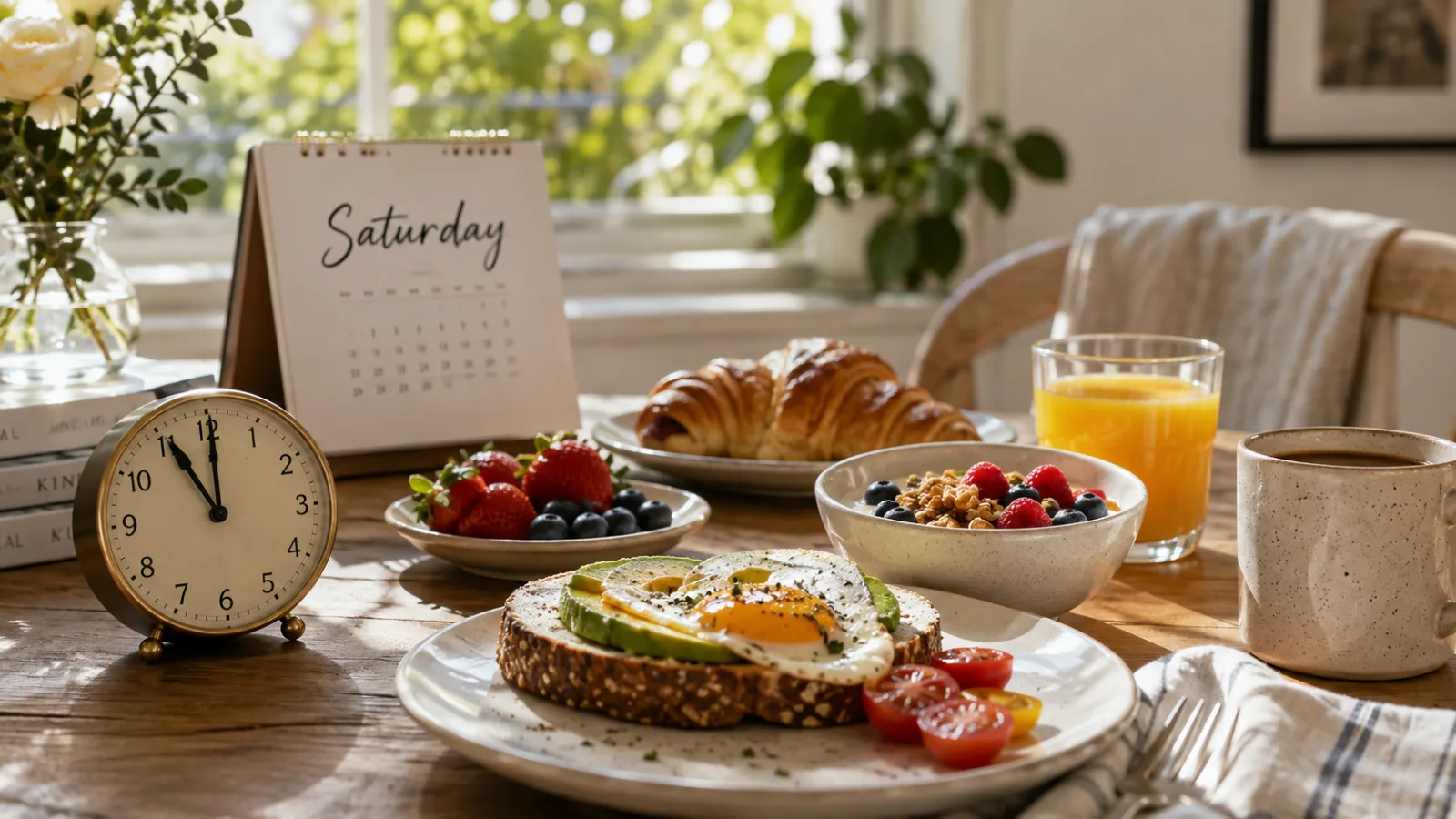
Saturday morning arrives.
You have waited all week for free time, and now that it is here, you are not sure what to do with it. You could rest, but scrolling rarely feels like real rest. You could be productive, but turning Saturday into a second job is not appealing. And making plans can easily eat the time you were trying to enjoy.
That is why most lists of weekend activities at home are not very useful. You do not need endless ideas. You need a simple structure that matches your energy level.
Below are three ways to spend a Saturday at home:
- Low-energy recovery
- Social time without overplanning
- Productive but contained progress
Each one includes movement, self-care, and something that feels like a real outcome. Pick one and ignore the rest.
Before your screen-free Saturday begins
A screen-free weekend does not mean locking your phone away. It just means using it intentionally.
Use it for things like music, calls, directions, photos, or a quick tool like the Done IRL mission picker. Then put it down again.
The key difference is simple: using your phone to support an activity is fine. Using it to avoid starting anything is what drains the day.
Choose your plan based on your real energy, not your ideal version of yourself.
Plan one: Low-energy Saturday
For days when you need rest but still want structure. The goal is not productivity, but gentle momentum.
1. Reset your space and body
Open a window, make a drink you actually enjoy, and sit somewhere different for a few minutes. This small environmental shift helps your brain register that the day is not just an extension of the week. It creates a soft reset without effort.
2. Light movement
Put on 3 songs and move however feels natural, stretching, slow walking, or even just swaying in place. The goal is not exercise, but reconnecting with your body after a week of sitting or stress. Movement like this often improves mood more than expected.
3. One small home improvement
Pick a single task that makes your space slightly easier to live in, like clearing a surface, changing bedding, or wiping a mirror. The benefit is not the task itself, but the feeling of reduced background stress in your environment. Keep it small enough to finish without resistance.
4. One simple meal
Cook something basic using what you already have, without trying to make it impressive. Sitting down to eat a real meal, rather than snacking or grazing, helps restore a sense of structure. It also gives your body a clearer signal of care and completion.
5. One quiet activity
Choose something with no input pressure: reading a few pages, listening to an album, or simply sitting without stimulation. This is not about “doing nothing,” but about letting your attention settle. It often improves mental clarity more than passive scrolling.
6. One small connection
Send a short message to someone you like or have been thinking about. It does not need to be deep or meaningful, just a small reminder that you exist in other people’s lives. These micro-connections often improve mood more than expected.
Plan two: Social Saturday
For when you want company without turning the day into a full event.
1. Shared brunch
Everyone brings one ingredient and you build a meal together from what appears. The lack of planning makes it more relaxed and often more fun. It also removes pressure from one person to “host properly.”
2. Scavenger walk
Pick a few simple prompts like colors, shapes, or unusual objects and look for them while walking. This turns a normal walk into a shared observation game. It helps people talk more naturally without forcing conversation topics.
3. 15-minute household relay
Split small tasks between people, tidying, wiping, or moving things, and do them quickly together. The short time limit keeps it from feeling like chores and turns it into a shared burst of activity. It also creates visible change in a short time.
4. Blind drawing game
Draw each other or objects without looking at the page. The results will be bad, which is exactly the point. It lowers social pressure and creates easy laughter without needing skill or preparation.
5. Simple ending ritual
Take one photo, write the date somewhere, or save a small object from the day. This gives the hangout a sense of closure instead of fading out awkwardly. It helps the memory feel more complete later.
Plan three: Productive Saturday
For when small tasks are quietly stressing you out and you want to clear them without losing the whole day.
1. Set three outcomes
Pick only three types of outcomes for the day: one movement activity, one practical task, and one improvement or rest block. This prevents overloading your Saturday with unrealistic expectations. It also creates balance between effort, maintenance, and recovery.
2. Move your body
Go for a walk, bike ride, or short physical loop that gets you outside or away from your usual space. Movement helps reset attention and reduces the mental friction of starting tasks. It also makes the rest of the day feel less static.
3. One neglected task
Choose something you usually avoid, like cleaning a hidden area, sorting clutter, or dealing with a small admin task. The goal is completion, not perfection. Finishing one avoided task often reduces background stress more than doing several easy ones.
4. Use up what you have
Make a meal from leftovers or ingredients that need to be used soon. This reduces waste and removes decision fatigue from cooking. It also creates a sense of resourcefulness without extra effort.
5. Improve one small area
Rearrange or improve a single corner of your home using only what you already own. This avoids shopping or overthinking while still creating visible change. Small environmental improvements often have a disproportionate emotional effect.
6. Proper stop
Take a real break with no input, sit, shower, rest, or go outside without a goal. The key is to avoid turning rest into another task. A clear stop helps the day feel finished instead of endlessly open.
Which plan should you choose?
- Low-energy: when you need recovery
- Social: when you want people but not planning stress
- Productive: when your environment feels slightly unfinished
Do not combine them. That is how weekends disappear.
How to make it work
Keep your phone available for useful actions, not constant checking. Make physical activities easy to start by leaving things visible, book open, shoes ready, cleaning cloth out, or bike near the door.
The easier something is to begin, the more likely it is to happen.
Final thought
A good Saturday does not need to be full. It just needs to feel like it happened.
Pick a direction, do a few real things, and stop before the day turns into noise.
For a quick offline activity, try a Done IRL mission and then put your phone away again.
Frequently asked questions
What are good weekend activities at home?
Good weekend activities at home combine different kinds of satisfaction. Include something that supports your body, some movement, one practical result, and either creativity or genuine rest.
Cooking a proper meal, clearing one small area, taking a walk, drawing, listening to an album, or completing a simple repair can all give the day a clear shape.
What can I do at home this weekend when I feel tired?
Choose the low-energy plan and keep the activities deliberately small. Make a drink you enjoy, move for the length of three songs, prepare one simple meal, improve one comfort point, and finish with quiet rest.
The goal is not to rescue the entire weekend. It is to create a few moments that feel better than accidental scrolling.
What are some fun weekend activities for adults?
Try a shared brunch, a scavenger walk, blind portraits, a short household relay, or a simple memory ritual at the end of the day.
The best social activities are easy to begin, require little equipment, and give people something to do while conversation happens naturally.
What are productive weekend ideas that do not take the whole day?
Choose one neglected task, one meal made from what you already have, and one small area to improve. Define what finished means before you begin and stop when those tasks are complete.
A productive weekend should reduce background stress, not create a new full-time role.
How can I have a screen-free weekend at home?
Start with one screen-free Saturday rather than trying to avoid technology for an entire weekend. Decide which phone functions are useful, such as music, calls, directions, photos, or the Done IRL mission picker, and avoid opening the phone without a clear purpose.
Make offline activities easy to start by placing the materials where you can see them.
